
Computer Vision in Production — The Testing Checklist
A CV model that hits 95% accuracy in the lab can drop to 60% in production. Here's the checklist we use to catch that before users do — lighting, edge devices, bias, latency, drift, and adversarial inputs.
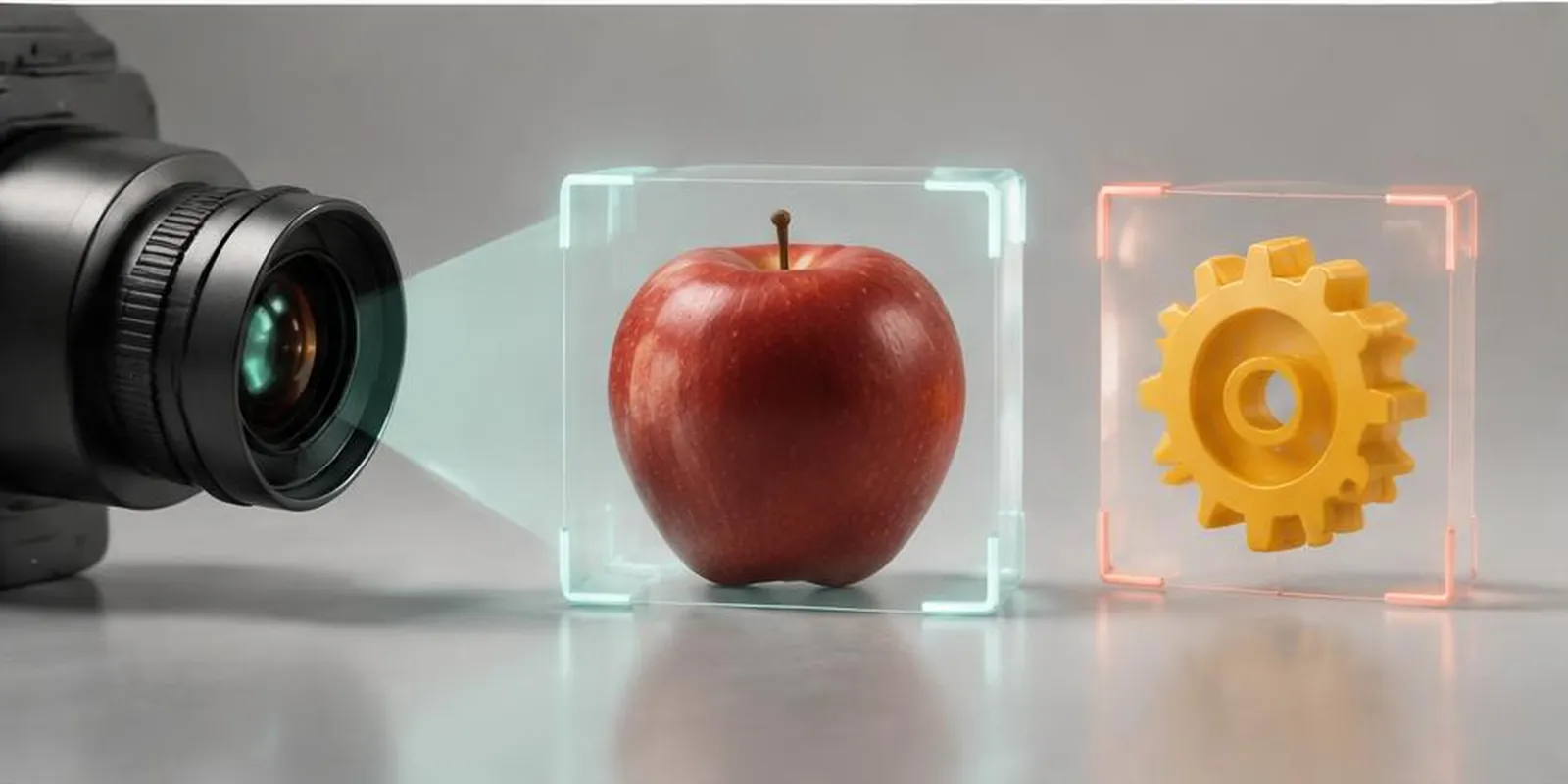
Computer vision models are notoriously bad at generalizing. A model trained on clean data fails on messy inputs. A model that hits 95% accuracy in your test set can collapse to 60% in the field.
Here's the testing checklist we use at QA Labs before any CV model ships.
Test against real-world conditions
Lab accuracy ≠ field accuracy. Test against:
- Real-world lighting (not studio)
- Different camera angles
- Motion blur
- Occlusion (partial obstructions)
- Weather conditions (for outdoor)
- Different times of day
Test on edge devices
Latency and accuracy change dramatically on edge hardware:
- Measure inference time on target devices
- Check memory usage under load
- Verify battery impact
- Test model quantization (if applicable)
A model that runs fine on GPU servers might time out on a Raspberry Pi.
Test for bias
CV models often perform worse on underrepresented groups:
- Measure accuracy across demographics
- Check for false positives/negatives by group
- Test with diverse datasets
- Audit training data for representation
Bias testing is non-negotiable for any CV model used in decisions affecting people.
Test for model drift
Model accuracy degrades over time:
- New patterns appear
- Data distributions shift
- Environments change
Plan for periodic retraining. Set up monitoring for accuracy drops.
Test adversarial inputs
CV models can be fooled by:
- Adversarial perturbations (small pixel changes)
- Out-of-distribution inputs
- Trick images
For security-sensitive applications, adversarial testing is required.
What we typically find
- Models trained on studio data fail on real-world images
- Latency on edge devices exceeds SLA
- Demographic bias in face-related models
- Accuracy drops 10–20% over 6 months without retraining
Key takeaways
- Test CV in real conditions, not just the lab
- Edge devices expose latency and accuracy issues
- Bias testing is non-negotiable
- Plan for drift and retraining
- Adversarial testing for security-sensitive deployments
Further reading
About the author
Senior AI Engineer →Senior AI Engineer · Quality Assurance Labs