Email Marketing in 2026 — Lifecycle Automation That Works
Email still returns $36 for every $1 spent. But most email programs are underperforming — because they're batch-and-blast instead of lifecycle-driven. Here are the six flows every business needs.
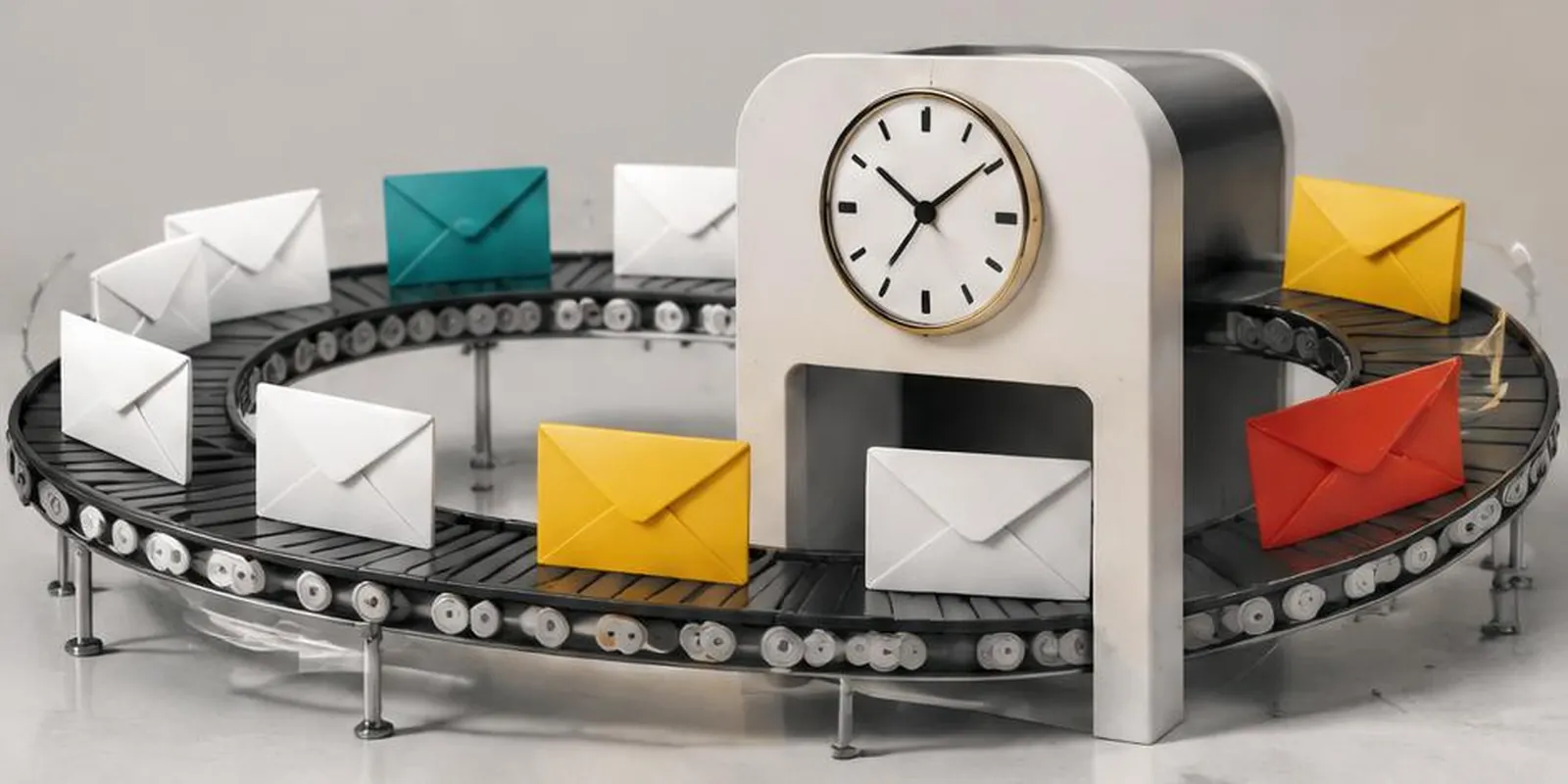
Email still returns $36 for every $1 spent. But most email programs are underperforming. The reason: they're batch-and-blast instead of lifecycle-driven.
Here are the six flows every business needs, and how to build them.
The 6 lifecycle flows
1. Welcome flow Triggers: first signup or first purchase.
Goal: Introduce the brand, set expectations, drive first action.
Emails:
- Email 1 (immediate): Welcome + what to expect
- Email 2 (+1 day): Brand story or best content
- Email 3 (+3 days): Social proof or top product
- Email 4 (+7 days): Offer or next-step CTA
2. Browse abandonment Triggers: viewed product but didn't add to cart.
Goal: Re-engage interest.
Emails:
- Email 1 (+4 hours): "Still thinking about it?"
- Email 2 (+24 hours): Related products or reviews
- Email 3 (+72 hours): Discount or urgency
3. Cart abandonment Triggers: added to cart but didn't check out.
Goal: Recover the sale.
Emails:
- Email 1 (+1 hour): Gentle reminder
- Email 2 (+24 hours): Reviews or trust signals
- Email 3 (+72 hours): Discount or shipping incentive
Cart abandonment recovery rate: 10–15% is achievable.
4. Post-purchase Triggers: after purchase.
Goal: Reduce buyer's remorse, drive repeat, request reviews.
Emails:
- Email 1 (immediate): Thank you + order details
- Email 2 (+7 days): Review request
- Email 3 (+14 days): Cross-sell or accessory
- Email 4 (+30 days): Loyalty program or reorder reminder
5. Re-engagement Triggers: no email engagement for 60–90 days.
Goal: Reactivate or sunset.
Emails:
- Email 1: "We miss you" + value
- Email 2: New features or products since they left
- Email 3: Unsubscribe warning
Sunset emails that don't re-engage. List hygiene matters.
6. Loyalty / VIP Triggers: repeat purchasers or high-value customers.
Goal: Retain, reward, uplevel.
Emails:
- VIP welcome (recognition)
- Exclusive offers
- Early access to launches
- Birthday or anniversary offers
Behavior triggers vs. time triggers
Behavior-triggered emails outperform time-triggered by 3–5x.
- Send when the user does something, not on a schedule
- Segment by behavior, not just demographics
- Personalize subject lines based on last interaction
Segmentation
Every flow should segment by:
- Purchase history (new vs. repeat)
- Engagement level (active vs. lapsed)
- Product interest (from browsing)
- Geography (for shipping/legal)
One email to everyone is a waste of the channel.
A/B testing
Test:
- Subject lines (the biggest lever)
- Send times (secondary)
- CTAs (copy and color)
- Content depth (long vs. short)
- Frequency
Test one variable at a time. Measure against revenue, not opens.
Metrics that matter
- Revenue per email (RPE)
- Revenue per subscriber (RPS)
- Conversion rate per flow
- List growth rate
- Unsubscribe rate
- Deliverability rate
Open rate is a vanity metric in 2026. Revenue is the truth.
Tooling
- Klaviyo (e-commerce standard)
- Customer.io (B2B SaaS)
- Mailchimp (small business)
- HubSpot (marketing suite)
- Braze (enterprise)
Match tool to business model. Klaviyo for D2C. HubSpot for B2B. Braze for scale.
Common mistakes
- One welcome email instead of a series
- No cart abandonment flow
- Batch blasts that ignore behavior
- No segmentation
- Optimizing opens instead of revenue
- Never cleaning the list
Key takeaways
- Email still has the highest ROI of any channel
- Build 6 lifecycle flows minimum
- Behavior triggers beat time triggers
- Measure revenue, not opens
- Segment by behavior, not demographics
- Clean your list — a small engaged list beats a big dead one
Further reading
About the author
Senior Marketing Strategist →Senior Marketing Strategist · Quality Assurance Labs