QA Testing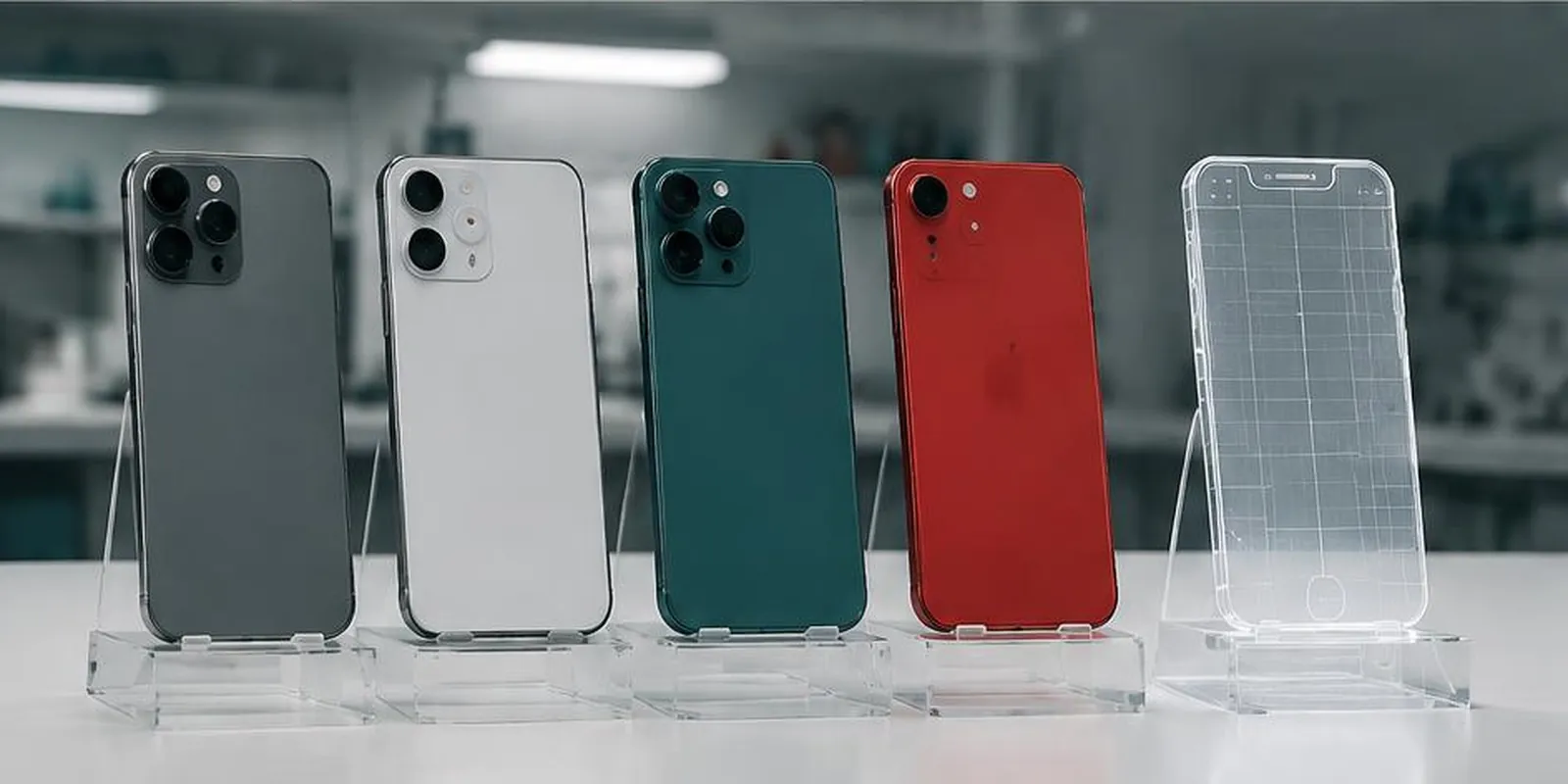
Real Device Lab vs Emulators — The 40% Rule
Emulators run your code. Real devices run your product. The difference matters more than most teams realize — because ~40% of mobile bugs are invisible on emulators. Here's what a real-device lab catches that nothing else does.
#real-device-testing#mobile-QA#device-lab#iOS-testing#Android-testing
Every mobile QA team eventually has this conversation: "Can we skip real devices and just use emulators?" The answer is no — and the bugs you miss are the ones that hurt most.
What emulators actually are
Emulators run mobile OS environments on a desktop computer. Fast, easy, free. iOS Simulator (Xcode), Android Emulator (Android Studio), cloud emulators (BrowserStack, LambdaTest).
The 40% rule
Roughly 40% of real-device bugs are invisible on emulators.
What emulators miss
- Touch responsiveness
- Sensor behavior (accelerometer, gyroscope, GPS, magnetometer)
- Camera and microphone
- Battery drain
- Performance on low-end devices
- Network handoff (WiFi → cellular)
- Notification delivery
- OS-specific UI rendering
What real-device testing catches
- Crashes on specific hardware
- Layout issues on different aspect ratios
- Battery drain
- Sensor integration bugs
- Network handoff issues
- Real notification behavior
- Camera/mic issues
- OS-specific UI rendering bugs
- Heat-related throttling
- Real memory usage
Building a real-device lab
- Option 1: Physical lab (20–40 devices, refreshed regularly)
- Option 2: Cloud device farms (BrowserStack, LambdaTest, AWS, Firebase)
- Option 3: Hybrid (small in-house + cloud for breadth)
Cost justification
- One bad release with a hardware bug → 100+ 1-star reviews
- Recovering app store ranking takes months
- Cloud device farms: $50–500/month
Our recommendation
- Emulators for fast iteration during dev
- Real devices before every release
- Small in-house lab for rapid feedback
- Cloud device farms for breadth
Key takeaways
- Emulators miss ~40% of real mobile bugs
- Real devices required for touch, sensors, battery, network
- Combine physical lab + cloud for best coverage
- Every release should include a real-device pass
- Emulators for speed, real devices for truth
Further reading
About the author
Senior QA Engineer →Senior QA Engineer · Quality Assurance Labs