Social Media Marketing in 2026 — Platform by Platform
Social media isn't one channel — it's five, each with different audiences, formats, and algorithms. Here's what actually works on LinkedIn, Instagram, TikTok, X, and YouTube in 2026.
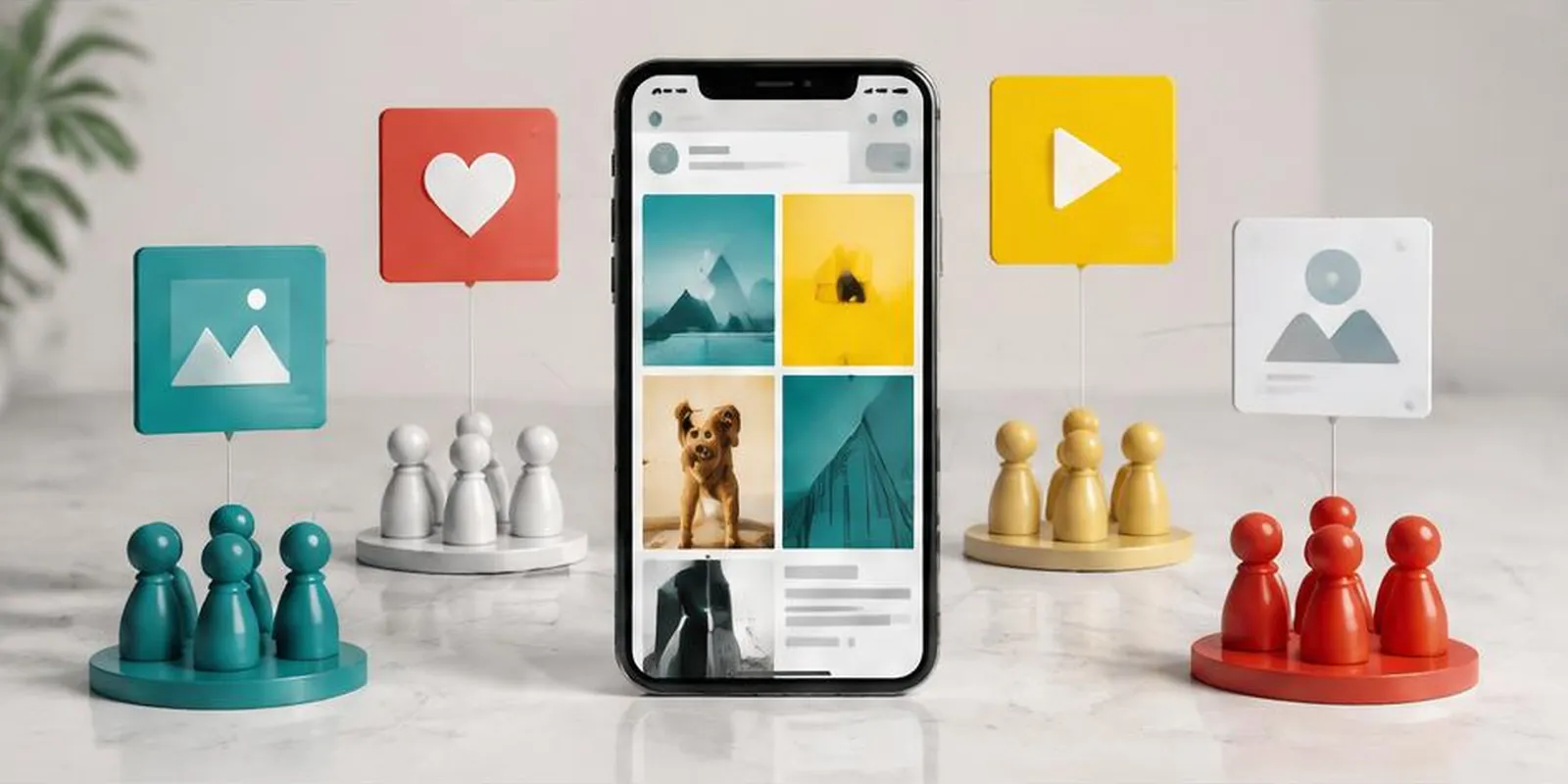
"Social media marketing" as a single strategy doesn't exist anymore. Each platform has its own algorithm, audience, and content expectations. What works on LinkedIn fails on TikTok. What works on Instagram fails on X.
Here's how we approach each platform in 2026.
LinkedIn — B2B king
LinkedIn is where B2B decision-makers live. It's not optional for B2B.
- Content: Insight, opinion, case studies, founder voices
- Format: Text posts, carousels, short video (native)
- Cadence: 3–5 posts per week
- Engagement: Comment on 20+ posts per day
- Paid: LinkedIn Ads for account-based marketing
- Best for: Thought leadership, hiring, B2B lead gen
Personal profiles outperform company pages by 5–10x on reach.
Instagram — Visual brand
Instagram is where brand and lifestyle live.
- Content: Reels, Stories, static posts, carousels
- Format: Reels dominate reach (10x static)
- Cadence: 4–7 posts per week + daily Stories
- Engagement: Reply to every comment and DM
- Paid: Meta Ads for D2C and B2C
- Best for: Consumer brands, visual products, community
Reels are the growth channel. Static is the brand channel.
TikTok — Discovery engine
TikTok has become the discovery channel for younger audiences. Even B2B sees engagement here.
- Content: Native video, entertainment-first, storytelling
- Format: 15–60 second videos, sometimes longer
- Cadence: 5–10 posts per week
- Engagement: Reply to comments with video
- Paid: TikTok Ads for consumer
- Best for: Consumer brands, startups, viral hooks
Content style matters more than production quality. Authentic > polished.
X (Twitter) — Niche authority
X is smaller but high-signal for tech, finance, and media.
- Content: Threads, opinion, news commentary
- Format: Text-first, images, occasional video
- Cadence: 1–5 posts per day
- Engagement: Reply, quote-tweet, engage in niche
- Paid: X Ads (declining importance)
- Best for: Tech founders, thought leaders, journalists
Less volume, more depth. Threads still work.
YouTube — Long-form authority
YouTube is the second-largest search engine. Content lives forever.
- Content: Tutorials, demos, interviews, reviews
- Format: 5–20 minute videos (sometimes longer for tutorials)
- Cadence: 1–2 videos per week
- Engagement: Reply to comments
- Paid: YouTube Ads (via Google Ads)
- Best for: Education, product demos, SEO
High production value matters here. But consistency matters more.
Cross-platform strategy
- Repurpose: One core idea → five platform-native formats
- Tier: Primary platform (invest heavily), secondary (repurpose), tertiary (scheduled)
- Consistency: Same brand voice, same visual identity
- Measurement: Track leads, not likes
Content pillars
Every brand should have 3–5 content pillars:
- Educational (how-to, tips)
- Behind the scenes
- Product/features
- Industry news
- Opinion/thought leadership
Rotate between pillars to keep the feed varied.
Paid amplification
Organic reach is limited. Paid amplifies what works:
- Boost organic top performers
- Run lookalike campaigns
- Retarget engaged users
- Test new audiences
Organic and paid should work together, not separately.
Common mistakes
- Same content on every platform
- Posting without engaging
- Chasing viral moments over consistent presence
- Not measuring business impact
- Ignoring DMs and comments
- Overly polished content that feels inauthentic
Key takeaways
- Each platform has its own algorithm and audience
- LinkedIn for B2B; Instagram/TikTok for consumer; YouTube for long-form
- Native content beats repurposed
- Consistency beats virality
- Measure leads, not likes
- Paid amplifies organic winners
Further reading
About the author
Senior Marketing Strategist →Senior Marketing Strategist · Quality Assurance Labs